
Granulated slag from iron or steel
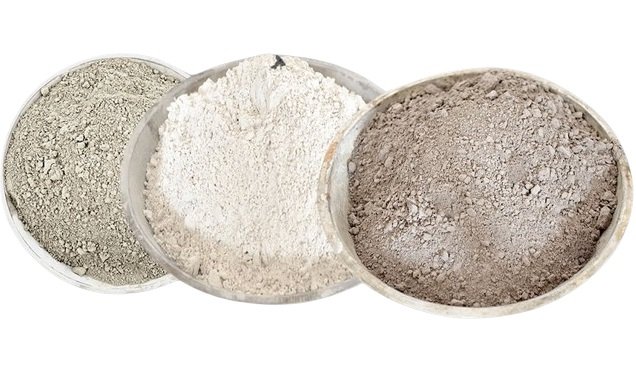
Steel slag contains active minerals such as tricalcium silicate, dicalcium silicate, and iron aluminate, which are similar to cement and have hydraulic cementitious properties. Reduce temperature cracks;
- Execution Standard: GB/T18046-2017 Granulated blast furnace slag powder for use in cement, mortar, and concrete
- Grade: S95
This product has good dispersibility and is mainly used to prepare new slag silicate cement with silicate cement, as well as in concrete preparation. As a highly active admixture added to concrete or Portland cement, it can improve the microstructure of concrete, reduce hydration heat, increase compactness and concrete strength grade, reduce the amount of cement used in concrete, and improve the interfacial bonding performance of concrete. It is one of the preferred materials for preparing high-performance, large volume, long-life concrete.
| Items | S95 | ||
| GB standard | Enterprise internal control indicators | ||
| Specific surface area (m2/kg) | ≥400 | ≥420 | |
| Density (g/cm ³) | >2.80 | >2.85 | |
| Flow ratio (%) | ≥95 | ≥95 | |
| Sulfur trioxide (%) | ≤4.00 | ≤2.00 | |
| Moisture content (%) | ≤1.00 | ≤0.50 | |
| Chloride ion (%) | ≤0.06 | ≤0.06 | |
| Loss on ignition (%) | ≤1.00 | ≤1.00 | |
| activity index(%) | 7d | ≥70 | ≥75 |
| 28d | ≥95 | ≥97 | |
Main Feature:
Resistance to sulfate corrosion;
Reduce alkali aggregate reaction;
Resistance to chloride ion erosion;
Reduce carbon emissions;
Reduce the content of hexavalent chromium (Cr6+)
Application:
There are mainly three ways to use the slag
- As additive : It can improve the early strength of cement and concrete,enhance concrete workability and reducing hydration heat.
- As an admixture for concrete, it can improve the flexural strength, wear resistance, reduce the peak hydration heat, delay the peak occurrence time, prevent micro cracks in concrete and extend the lifespan of buildings.
- The main raw material of steel slag cement: it can increase cementflexural and compressive strength, especially the later strength, impermeability, wear resistance, corrosion resistance.