
Aluminium chloride
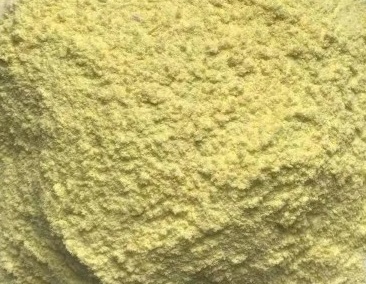
Aluminium chloride technical data:
| Items | Premium | Grade A | Qulified |
| Appearance | Light yellow, yellow or gray particles or powders should not have lumps larger than 10mm | ||
| Aluminum chloride (AlCl3) w/% ≥ | 99.2 | 98.8 | 98.5 |
| Iron (calculated as FeCl3) w/% ≤ | 0.04 | 0.05 | 0.08 |
| Water insoluble matter w/% ≤ | 0.05 | 0.1 | 0.3 |
| Heavy metal (calculated as Pb) w/% ≤ | 0.006 | 0.02 | 0.04 |
| Free aluminum w/% ≤ | 0.01 | — | — |
Application:
1. Organic synthesis catalyst: Anhydrous aluminum trichloride is an indispensable catalyst in organic synthesis reactions, widely used in industries such as pharmaceuticals, dyes, fragrances, liquid crystals, flame retardants, petroleum cracking, rubber synthesis, and water treatment.
2. Pesticides and pharmaceuticals: used for manufacturing pesticides and organoaluminum compounds, as well as for synthesizing drugs.
3. Dyes and pigments: In the dye and pigment industry, anhydrous aluminum trichloride is used as a catalyst.
4. Lubricant synthesis: used for metal smelting and lubricant synthesis.
5. Food grade applications: Food grade anhydrous aluminum trichloride is used as a leavening agent, a flocculant for pectin, etc.
6. Other applications: It is also used in the manufacture of detergents, plastics, fragrances, etc.