
Aluminium Oxide
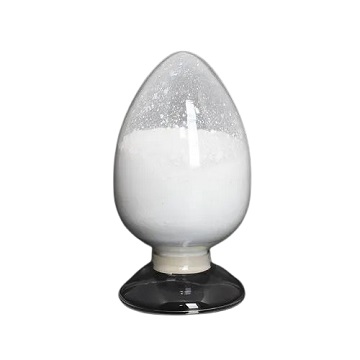
Synonyms: Alumina Powder, Aluminum Oxide, High Purity Aluminium Oxide, Superfine Aluminium Oxide, Calcination α Type Aluminium Oxide, Nanometer Aluminium Oxide, Low Temperature Aluminium Oxide, High Temperature Aluminium Oxide
- Molecular Formula: Al₂O₃
- CAS No.: 1344-28-1
- EINECS No.: 215-691-6
- Execution Standard: GB/T 24487-2009
- Package: 10kg/carton, 25kg Inner lined aluminum foil woven bag, 1000kg large bag
- Storage: Sealed, keep in a cool, dry, well ventilated place. Avoid direct sunlight
Other chemical names:
Ceramic grade alumina
| Categories | Ingredients and Content /% | ||||||||||||||||
| Al₂O₃ | SiO2 | MgO | CaO | Fe2O3 | Na2O | Loss on Ignition | |||||||||||
| 1 | ≥99.0 | ≤0.10 | ≤0.05 | ≤0.05 | ≤0.10 | ≤0.40 | |||||||||||
| 2 | ≥99.5 | ≥0.08 | ≤0.05 | ≤0.04 | ≤0.06 | ≤0.02 | |||||||||||
| 3 | ≥99.5 | ≥0.08 | ≤0.05 | ≤0.03 | ≤0.03 | ≤0.02 | |||||||||||
| 4 | ≥99.99 | Impurity content /×10-6 | |||||||||||||||
| Na | Pb | Si | Fe | Ca | Mg | Zn | Ti | ||||||||||
| 50 | 6 | 50 | 20 | 30 | 20 | 4 | 5 | ||||||||||
| Categories | Physical Property | ||||||||||||||||
| Particle size distribution | True density /(g ·cm-3) | Crystal type α-Al₂O₃ /% | |||||||||||||||
Particle size /μm ≤ | Content / %≥ | ||||||||||||||||
| 1 | 10 | 95 | ≥3.96 | ≥95 | |||||||||||||
| 5 | 50 | ||||||||||||||||
| 2 | 7 | 90 | |||||||||||||||
| 3 | 50 | ||||||||||||||||
| 3 | 5 | 90 | |||||||||||||||
| 2 | 50 | ||||||||||||||||
| 4 | Average particle size d≤0.3μm | — | — | ||||||||||||||
Industrial grade alumina technical data:
| Al₂O₃ | SiO₂ | Fe2O3 | Na2O | Loss on Ignition | Particle size /μm |
| >98.6 | <0.04 | <0.03 | <0.2 | 10 | 100 |
Sandy Metallurgical Grade Alumina
Metallurgical grade Alumina is the main raw material for producing aluminum ingots, which has the characteristics of high strength, light flying, good fluidity, easy dissolution, and strong fluoride absorption with low impurity content of iron (Fe), sodium (Na), zinc (Zn), and lithium (Li).
Application:
Aluminum oxide is widely used in the manufacturing of refractory materials, ceramics, abrasives, catalyst carriers, etc. It can be used as an analytical reagent, adsorbent, catalyst and catalyst carrier, vacuum coating, special glass raw materials, composite materials, resin fillers, bioceramics, etc. In addition, alumina is also used to manufacture corundum, ceramics, refractory products, and other alumina chemical products.